Is Workplace Stress Contagious?

Stress management is not just a personal issue anymore; it’s become a core leadership skill. For healthcare professionals, daily pressures are higher than ever. According to recent studies, 30% of professionals feel the added strain of “secondhand stress,” the ripple effect created by other people’s anxiety or burnout.
“Leaders have the power to overcome workplace stress and model healthy responses by first taking time to nurture themselves as human beings,” says Nigel Girgrah, MD, Ochsner Health’s Chief Wellness Officer, recently recognized among Modern Healthcare’s 50 Most Influential Clinical Executives. “Personal resilience, practicing efficiencies and promoting wellness behaviors hold the keys to success, individually and organizationally.”
Your Game Plan for Managing Stress
To shape your own approach to stress management, the Advisory Board suggests working through these eight steps:
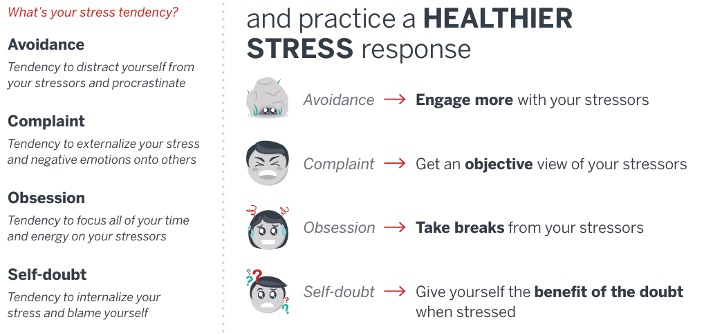
- Identify your stress type and tailor your response to it.
- Identify your top three priorities (professional and personal).
- Simplify your to-do list––defer, delegate or eliminate what does not align with your goals.
- Confirm your instincts with a leader or trusted colleague.
- Schedule block time on your calendar according to your priorities.
- Say “no” more often when requests don’t align with your priorities.
- Create your own “board of directors” and, for input, rely on the people you respect from other fields or specialties, departments, senior leaders, mentors, or colleagues with shared goals.
- Vent productively. Schedule time, set limits, and focus on solutions.
Download the infographic here, share with your teams or post for a visual reminder!